A rubber duck sitting at the edge of a stone well
Our Story

A safe place to grow.

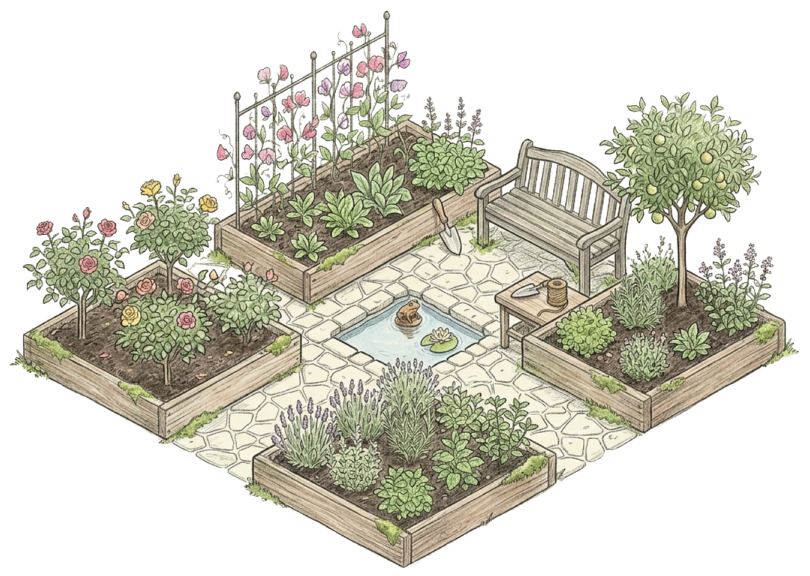
This is my garden — a place to breathe, to grow, and to remember how far I've come. The journal I wish I'd had.

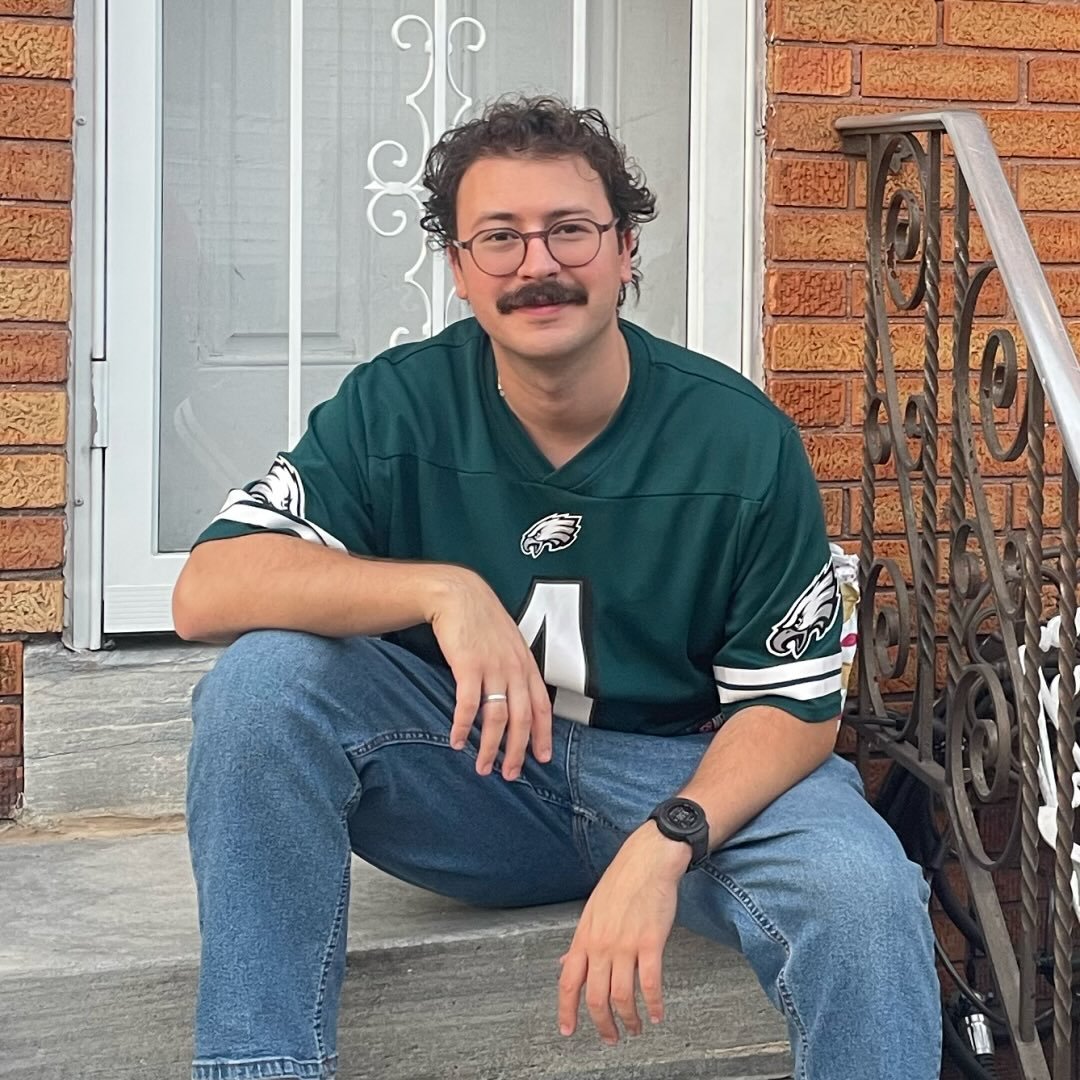
Me, Alec. Eagle Scout + Eagles Fan = Go Birds 🦅
photograph
Me, Alec. Eagle Scout + Eagles Fan = Go Birds 🦅
Let's Start At The Beginning...

The year everything changed

In 2019, I lost my best friend Nick to mental health struggles. It was devastating. Then 2020 arrived — and with it, the infamous global pandemic hit, our house burnt down mid-quarantine, and my girlfriend and I broke up. Not my favorite year, to say the least.

In the wake of that period followed a lot of reflection. I went through some very low-lows. Losing Nick, my social life, my home, and my girlfriend put a spotlight on mental health. And I thought hard about who I wanted to be, how I wanted to move through the world. I read, I reflected, I did the work, and eventually, slowly, I found some clarity. For a while, I felt genuinely grounded.

Then life picked back up and work got busy. Before I knew it, one year, two years, three years passed by and suddenly I found myself relearning lessons I was certain I'd already worked through.

Back at square one, wondering what happened to everything I'd figured out.
"Didn't I already know this like two years ago?"

"What happened to that momentum?"

"Where was I?"

That last question became the name of this project.

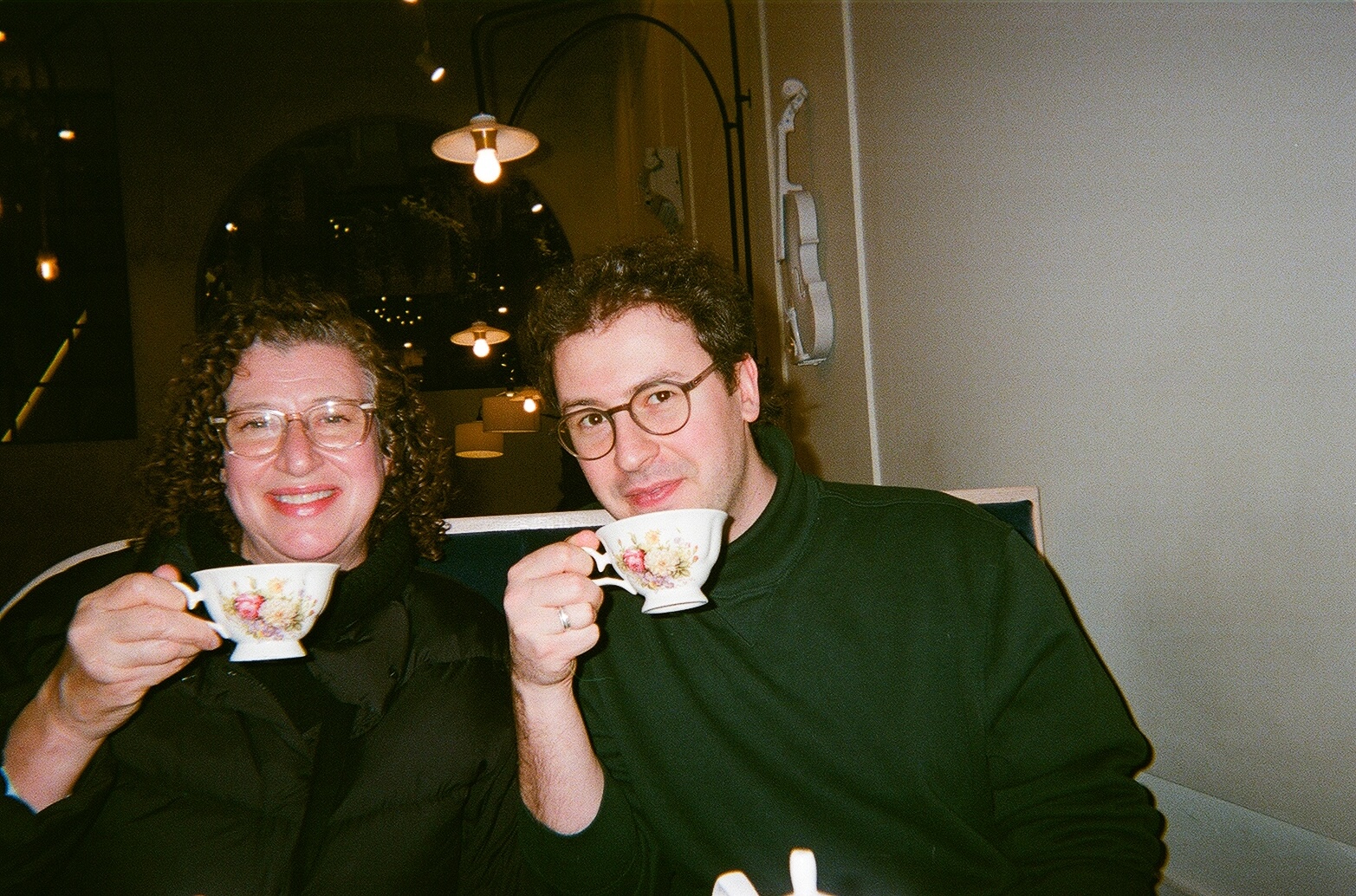
My mom and I
photograph
My mom and I
The Turning Point

My mom handed me a book

During one of those low-low cycles, my mom recommended I read The Artist's Way by Julia Cameron. A friend of hers swore by it. I figured it was worth a shot. Cameron's central practice is morning pages — three pages of longhand free-writing, every morning, before anything else. No editing, no audience, no agenda. Just thoughts moving from your head to the page.

The logic is straightforward: write before the day gets its hands on you, and you start from a more grounded place. You process things before they pile up.

I started doing it digitally — working through half-formed ideas, bad moods, things I didn't know I needed to say. It became the most consistent part of my routine.

I come here to retrace my steps when I get lost.

Where Was I is the journal I built to support that practice. It's private, it's focused, and it's yours and yours alone — not a blog, not a feed, not somewhere you perform. Just a place to write.

We have a default 750-word daily target that comes directly from Cameron's recommended three pages. It's enough that you can't skate by on a sentence, but not so much that it feels like a chore. Most days, by the time you hit it, you've said something worth keeping.

I've come a long way, and my life has blossomed. If you're reading this, it's probably safe to assume you're on a similar path. Keep going.
photograph
I've come a long way, and my life has blossomed. If you're reading this, it's probably safe to assume you're on a similar path. Keep going.
The Practice Deepened

Watering the garden

As I kept writing, I started back in therapy — and eventually began working with a psychiatrist too. What surprised me was how much the journal changed the quality of those sessions. I'd show up with things already processed, patterns I'd noticed, questions I'd been sitting with. The writing had done some of the work before I even walked in the door.

I started thinking about it differently. The journal wasn't just a place to vent — it was part of a larger practice. Therapy, psychiatry, the people in my life who I trusted: these were all part of the same system. Taking care of yourself isn't one easy fix. It's a handful of consistent habits, and support systems, leaning on each other.

The journal sits at the center of that for me. It's there when I need to process something at 6am before anyone else is awake. It's there when I want to prepare for a therapy session, or make sense of one after the fact. It's there on the ordinary days when nothing is wrong and I just want to stay connected to where I am and where I'm going.

You don't tend a garden once. You show up for it, a little every day.

The page has a way of showing you
what you already knew.

Start writing — it's free

Key moments

The road here wasn't straight.
The through-line was showing up on the page.

A quick tour of the years behind Where Was I — from loss and reset to the habit that held.

2019

Lost Nick. Lost myself.

My best friend didn't make it through the year. Everything else that mattered suddenly didn't. I started writing to process what happened.

2020

The year of everything

Pandemic. House fire. Breakup. I read all the books, did the work, built the foundations. Then life got busy and I forgot it all.

2021

The question

Found myself mentally retracing my steps, asking: 'Didn't I already know this? What happened to that momentum? Where was I?'

2022

Built for myself

During one of those low-low cycles, my mom recommended I read Julia Cameron's The Artist's Way — a friend of hers swore by it. I leaned into morning pages digitally, then built the journal I needed: a tool to maintain internal momentum and stop relearning the same lessons. In honor of Nick, and for everyone still figuring it out.

2023

Falling in love

I fell in love and moved in with my partner — a new chapter about connection and rebuilding after loss.

2024

The practice deepened

Loving one another requires self-love — and self-love is hard. I started journaling again, and began therapy and psychiatry. The work got real.

2025

Formalizing the method

The habits and ideas behind the journal took shape as something I could share — a simple frame for showing up for yourself.

The Duck & the Well →

2026

Where Was I goes public

Public beta: the journal I built for one person, opened to anyone who needs a place to write and remember.

Start writing — it's free →